While a pumping station appears like a straightforward structure from the exterior but in reality, every project is unique. One location may require to transport wastewater uphill from a newly constructed housing development, while another may need to maintain pressure on commercial properties that have changing elevations and growing demand. Certain projects are municipal, others are industrial or private, and each comes with their own requirements for design as well as long-term operating goals.
It is for this reason that pumping systems are not designed in the “one-size-fits all” concept. The success of the station is contingent on the actual conditions of the site and its flow requirements. It is also based on the owner requirements and future needs of the property. Romtec Utilities takes this perspective and design each pumping systems to address the specific requirements of the project instead of forcing it be a part of a general system.
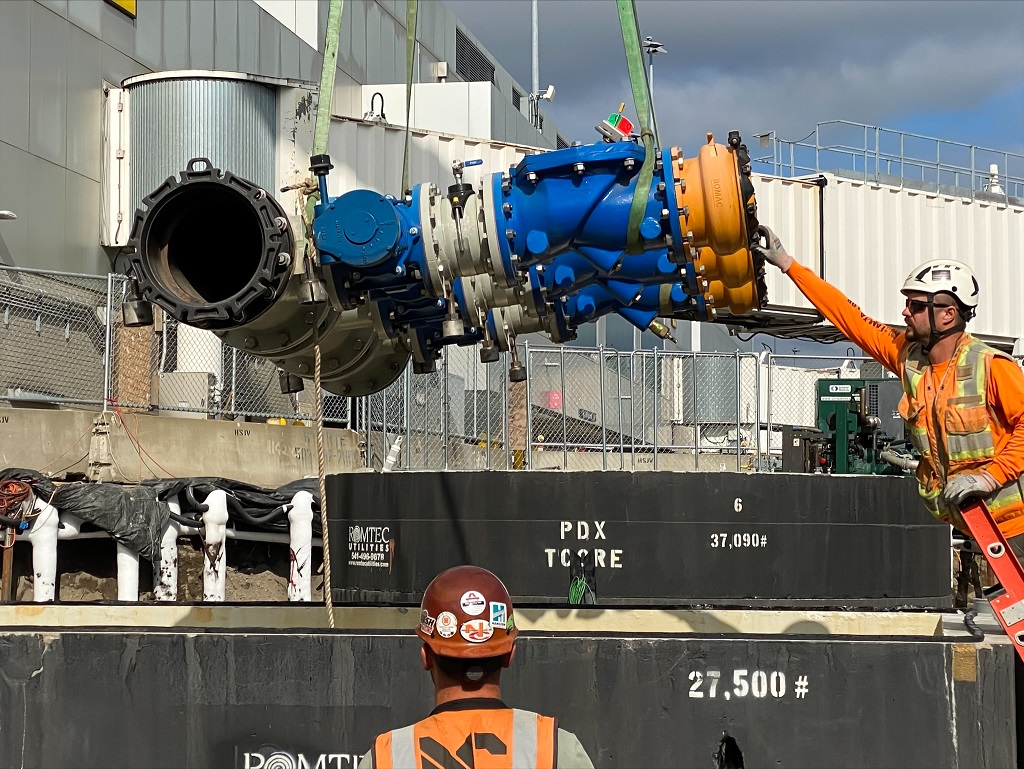
Good pumping design is about more than just moving water
Pumping stations are constructed to transport water or waste that gravity can’t. It is not sufficient to design a system which is merely functional. It must also be reliable, efficient and easy to maintain and in full compliance with state and local requirements. It should function in real-life, not just on paper.
It encompasses everything from the structural design to the size of the wells, electrical equipment, controls communications systems, controls, and access for workers. The system is likely to be afflicted with operational issues for years if even one element is not designed correctly. Engineers and owners alike appreciate working with the most qualified lift station designers. Experience matters when you are trying to balance longevity, hydraulic performance budget, the limitations of your site all at once.
Romtec Utilities combines these disciplines all under one roof. Instead of having the customer to coordinate with multiple suppliers the company is in charge of all electrical, structural, mechanical, and communication components as a single system. This one-source solution could reduce time in the design process, eliminate confusion when purchasing and smooth out the installation.
Correctly designed, packaged pumping systems are more simple.
Package pumps can make infrastructure projects by combining key elements into a unified solution. The real value comes in the way it is engineered. Unsuitable systems could result in problems with performance, equipment that is too large and unnecessary maintenance costs, or longer-term problems.
Romtec Utilities approaches each package as a custom-engineered solution instead of a generic catalog product. This means deciding on the appropriate pumps, controls, valves as well as enclosure options that are based on needs of the site. It is also important to think about how the system will be monitored, how users will have access to it, and what maintenance it will require over time. Coordination at the planning stage can help prevent more serious problems in utility infrastructure.
Booster Pump Stations address a other kind of problem within infrastructure
There are many projects that focus on water. In many projects, maintaining the pressure of water is equally crucial as transferring sewer. This is where booster pump stations play a critical role. They are built to ensure that water is moving smoothly through distribution systems when an elevation change, lengthy pipe runs or peak demand can cause pressure issues.
Booster systems generally require a different type of engineering approach because they may contain control buildings, variable frequency drives, SCADA integration, telemetry and architectural considerations depending on the site. Romtec Utilities designs these stations with the same approach to design and construction employed for wastewater systems making sure that the final product is both operationally and functionally.
A more effective strategy will lead to higher performance in the long run
One of the most useful parts of the Romtec Utilities process is the early design support that it offers customers. Before moving forward with construction or acquisition, project teams can benefit from preliminary design and engineering support. Developers, consultants, and even public entities can greatly benefit from this.
Planning is essential to achieving success whether it’s a water lifting station, pumping package system or one of the many custom-designed booster pumps. A good design team will provide more than equipment. The right design partner helps shape a reliable solution that matches the needs of the site and is in line with the goals of the owner.
When it comes to utility work, often the best systems are the ones that don’t get noticed because they perform. This type of reliability rarely happens by accident. It’s the result from thoughtful engineering, well-coordinated, and the ability to build each system around the real needs of the project.