The cooking oil that we use on a regular basis is something that most of us don’t even think about. It is easy to grab the bottle closest and expect it to do everything. Different oils react differently, based on the temperature, flavor or the composition of fats. Knowing the differences is among the most effective methods to cook healthier food at home.
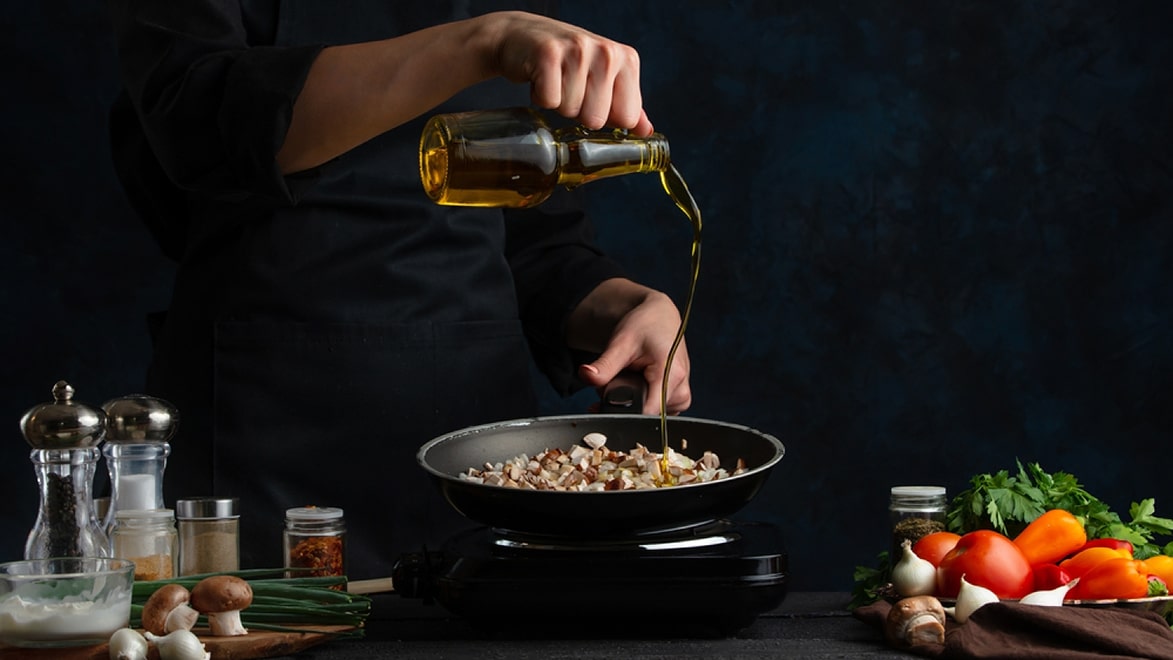
The choice should not be based on news headlines or current trends. The decision should be made by evaluating the effectiveness of each oil in actual cooking conditions.
Why oil choice is important more Than You Think
Oil performs three crucial functions in the kitchen. Oil is a great way to transfer heat into food. Second, it contributes flavour at a subdued or significant level. It may also impact nutrition, based on the kind of fat used and its stability at high temperature.
If an oil is heated to a high temperature it doesn’t just smoke it begins to breakdown. This can reduce the nutritional value of food and produce unpleasant flavors. The use of the wrong oil for the wrong job can lead to food that taste flat, bitter, or greasy regardless of whether the recipe is delicious.
Olive Oil to Cook: Use with a purpose
Olive oil has been investigated and widely used in cooking. Olive oil is produced by pressing olives. It contains a large amount of monounsaturated oil, as well as antioxidants such as polyphenols.
Extra virgin olive oil is smoky sweet, strong and fruity. This makes olive oil for cooking ideal for salad dressings, marinades, roasted vegetables, light sautéing, and finishing dishes. In these instances this way, the flavor is a great complement to the food instead of getting dispersed.
However extra virgin olive oil has a lower smoke point than a lot of people are aware of. For cooking that requires higher heat, refined olive oil is better. It is softer in flavor and has a greater heat tolerance. This makes it suitable for frying at higher temperatures, baking, and roasting.
If used correctly When used properly, olive oil has both taste and health benefits. However, it’s most effective when the temperature is controlled.
Coconut Oil Stable and Specific
Coconut oil behaves in a completely different way than olive oil. The substantial amount of saturated fat ensures it is extremely stable once heated. Coconut oil is renowned for its stability.
Refined coconut oil has little taste, but it is great for baking or cooking where heat stability is critical. Unrefined coconut oil retains a strong coconut aroma and flavor. That flavour can be beneficial in specific dishes, such as curries, stir-fries, or desserts. However, it can interfere with savoury dishes If it is used unconsidered.
Coconut oil should not be utilized as a primary ingredient on a daily basis. It is preferential to use it on occasion. It excels at high heat but lacks the same antioxidants like avocado or olive oil.
Avocado Oil is Heat-Friendly It is non-toxic, neutral and neutral
Avocado oil is well-known because it can withstand heat very well. Avocado oil for cooking boasts one of the best smoke points in common oils, making it perfect to roast, grill as well as grilling and fritting.
The nutritional value of avocado oil is high in monounsaturated fats and contains vitamin E, which puts it closer to coconut oil than olive oil with regard to health benefits. Its flavour is neutral and mild, which is why it’s particularly useful when you don’t want the oil to alter the flavor of the food you are eating.
In the event of cooking at high temperatures avocado oil is the most suitable choice. It’s also a healthy fat.
How to Use Oils Smartly
The best oil for every situation is not the one that works for every task. Most practical is to keep several options available and use each intentionally.
Avocado oil is the best choice to cook in high-temperatures. Avocado oil is ideal for high-heat cooking. Coconut oil is a good choice in which heat stability or its distinct flavour is desired.
Knowing these differences eliminates the guesswork from cooking, resulting in more regular outcomes.
New Basics for Better Cooking
A good cooking experience doesn’t require complex techniques or costly ingredients. Simple, consistent choices that are based on knowledge are often the main ingredients.
Knowing when to make use of coconut, avocado, or olive oil when cooking can enhance your taste and texture as well as overall confidence. Once you understand how oils behave, cooking is much easier and more enjoyable.