A pump station that is old doesn’t need to stop working in order for it become a cause for concern. The pump station might be able to move water or wastewater throughout the day but struggle when the demand is high. It may require more frequent maintenance or rely on controls that are challenging to maintain. It might still function, but the original model of the equipment may not be a good reflection of current conditions.
The need to plan infrastructure improvements is vital for municipal officials, developers and operators of facilities.
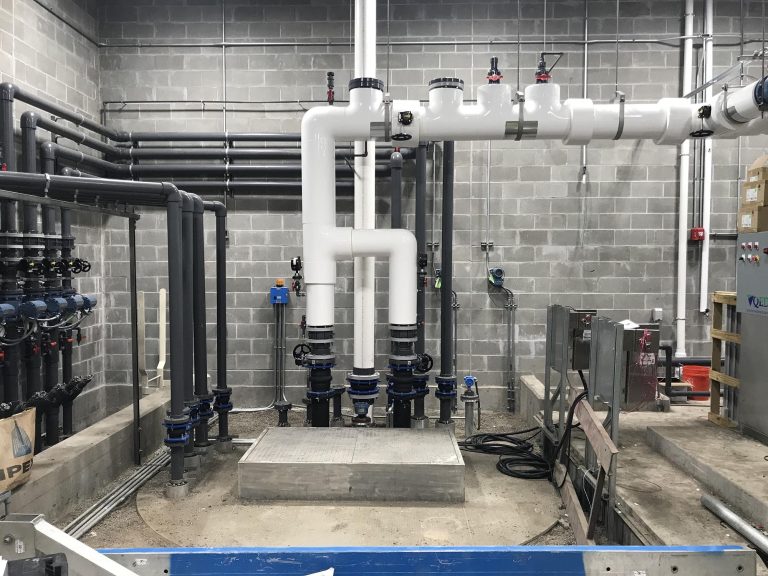
Image credit: romtecutilities.com
You must look beyond the equipment that is inoperable
A retrofit of a wastewater pump station must begin with an evaluation of the whole system, not just the pump that is experiencing issues. Engineers should evaluate the wet well, mechanical components and electrical components, as well as control systems, discharge pipes, as well as the current needs for pumping.
The condition of a well is vital. If its structure is solid and in good condition, it could be possible to retain it in the process of replacing old equipment. Construction costs can be reduced as compared to constructing a new station. It is essential to maintain existing infrastructure if the improvements are possible.
Is the service area changing?
The wastewater plant that was constructed many years ago can be used to serve many more households, businesses and industrial facilities.
These modifications can have an impact on flow rates and operational requirements. Successful lift station rehabilitation therefore requires more than restoring the original equipment specifications. Engineers must evaluate the flow rates, anticipated and current flow rates, total dynamic head equipment capacity, operational reliability.
It’s not enough to simply purchase a larger pump. The new machine must be compatible with existing piping along with electrical and mechanical supply as well as controls. Otherwise, improving one component could cause problems in other areas.
Stormwater retrofits have different priorities
Retrofitting an existing stormwater pumping station can introduce additional considerations because the runoff can be affected by nearby development and rain. A station that is connected to an aquisition pond might experience different inflow patterns from one that receives water through storm drains. A new asphalt surface, increased parking areas or alterations to drainage infrastructure could also alter the amount and timing of runoff that reaches the station.
Before recommending an upgraded stormwater system, engineers need to examine the drainage areas that contribute to the project as well as the expected peak flows and the storage capacity available as well as discharge conditions and the performance of the pump.
These results can help determine if equipment modernization is enough or if a facility requires more extensive reconstruction.
Design the Construction Before Interrupting Service
A common issue that is not addressed is how the station will function during rehabilitation. In general, wastewater systems can’t be closed without a plan to control flow.
Construction could involve installing temporary bypass pumps or relocating infrastructure that is adjacent to the station operating.
The system might be required in the event of an unexpected downpour. A complete engineering plan should address installation sequencing, temporary operations, the integration of equipment, and commissioning. Not just replacement of components.
Making the final system easier to use
Romtec Utilities is a provider of engineering services for sites as well as supply and solutions for Stormwater and wastewater Pumping Applications.
Retrofitting is a method that evaluates structural, mechanical electrical, and communications components to determine what can be left and which must be replaced. The company provides owners with preliminary plans and estimates for budgets to help them evaluate alternatives for their projects.
After installation, initial testing and commissioning are conducted after which operator training and documentation. The successful rehabilitation process will leave the operators with a system they are able to manage and comprehend.
Upgrade Your System and Not Limit Its Upgrades to the Age
A pump station that’s older doesn’t mean it’s a perfect candidate for replacement. It’s possible that some structures will remain functional for years, even if the mechanical and electrical systems need modernization. It is important to determine what is safe and cost-effectively, while making sure the finished product meets current and future needs.
Through analyzing operating conditions, structural strength, hydraulic requirements as well as construction constraints owners can make better informed investment decision.
The objective isn’t to make a stale station function again. It’s to make sure the upgraded system is prepared for the task ahead.