It’s a must for every Sydney company. It’s not only legally required but also a way to keep personnel, customers, and even property protected. The effects of fire can be devastating within minutes. But with appropriate safety measures implemented, many of these risks can be reduced or avoided. The combination of inspections for fires, electrical system testing and tagging as well as conformity with CFSP guidelines all contribute to the safety of workers and assure that businesses are compliant with the Building Code of Australia and local council standards.
Why fire inspections are vital for your safety
Fire inspections provide the first defence against the possibility of dangers. Inspections are conducted to ensure that the fire protection system installed in the building is current and in good working order. In Sydney the majority of businesses have to conduct inspections each six or twelve months, based on the building type and council regulations. Inspections may include anything from smoke alarms to sprinkler systems and fire alarms and hydrants to emergency lighting, and fire alarms.
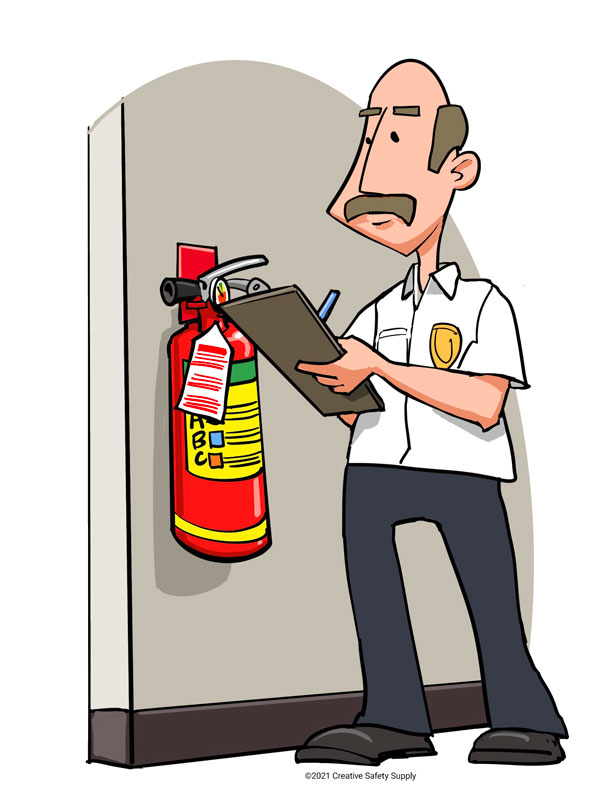
The ability to detect problems that are not obvious and correct them before they can cause harm is what makes inspections crucial. A tiny defect on a fire hydrant or a smoke detector that is blocked may appear minor at first, but in an emergency, such flaws can result in the loss of lives. Business owners who regularly inspect their fire hydrants ensure they are complying with their legal requirements and making themselves safe from unexpected catastrophes.
Testing and Tagging Securing Electrical Security
Electrical systems can be the main cause of fires in the workplace. Testing and tagging is thus an essential part of the plan to ensure fire safety. The process involves testing electrical equipment for safety, function and conformity, before adding a tag to show that the equipment has been inspected. For many businesses, this is more than a routine requirement it’s a defense against dangers that usually go unnoticed.
A faulty appliance, old wiring or damaged cables could easily cause fire when left unchecked. Businesses can reduce the risk of fires by testing regularly and tagging electrical equipment. It also builds confidence and trust for employees by assuring them that their work environment is secure. Together with fire inspections and testing, this comprehensive safety program reduces the risk from a variety of angles.
The role of CFSP in ensuring compliance and Certification
Only an Competent Fire Safety Professional (CFSP), who is located in New South Wales, can attest and sign vital documents for fire safety such as Annual Fire Safety Statements. The introduction of CFSP certification has enhanced fire safety standards by ensuring only qualified professionals can examine and confirm safety. For business owners working with a CFSP, inspections and reports won’t be just a routine document, but rather an objective evaluation done by professionals.
The role of a CFSP extends far beyond ticking boxes. They evaluate the effectiveness and the condition of fire protection systems and produce complete reports. They also ensure conformity with the requirements of the regulatory authorities. Businesses that are not equipped with CFSP certification could be penalized, facing legal problems or even being shut down if they are deemed as lacking in fire protection. Working with certified professionals will ensure that the fire safety systems are in place in a proper manner and that compliance requirements are fulfilled without stress.
Fire Safety is a Constant commitment
The safety of your fire system is an ongoing obligation for every business owner. Regularly scheduled inspections and tests of electrical equipment, in conjunction with the proper certification of CFSP ensure a safety cycle that is never ending. Beyond the legal requirements and promoting a workplace culture of safety. Employees can rest assured that evacuation plans are in place, smoke detectors are working the emergency lighting is tested, and the fire protection system is ready to use.
Implementing fire safety as continuous procedure rather than a yearly checkbox not only lowers the risk but also enhances the reputation of a company. When a business’s culture is one that emphasizes security, clients and customers are more secure. In the long run investing in proactive fire protection will save costs by avoiding costly damages and fines or legal disputes, while protecting the lives of all that enters the building.
Conclusion
Sydney fire safety needs an extensive approach that includes fire inspections, testing tags and certifications by a CFSP. Each component is vital to ensuring businesses are compliant with the rules, and most importantly, ensuring that individuals and their property are safe. Businesses that make safety an essential aspect of their work and not just an added note will comply with their legal obligations as well as create a more stable, secure environment.