Repetition is one of the most difficult issues individuals face when working with artificial intelligence. An AI assistant could provide the perfect answer at one point and then forget important details during the next conversation. The developers often make up for this by offering the same data, project files, or documents to ensure that the conversation is productive.
As AI is integrated into the software we use every day, this method gets more and more inefficient. Intelligent systems must be able to store pertinent information in a timely manner, access it quickly and recognize the change in information in time. Memory is one of the most vital elements of AI architecture today.
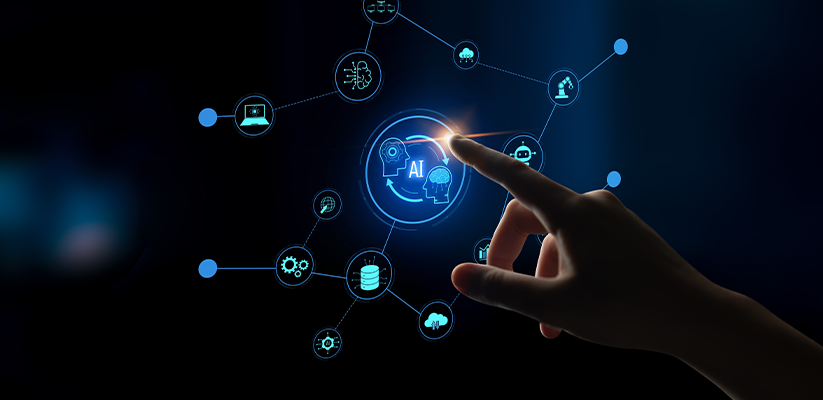
Memory is the most important factor in AI becoming intelligent.
A system of AI that can remember previous work behaves very differently than one that is created with a fresh start every time. Persistent memory allows applications to better understand ongoing projects and recognize regular patterns. It also enables them to offer answers based on historical context, rather than individual questions.
Telys was designed to address this challenge. It is not a cloud platform but an embedded AI agent memory that can store and retrieve data directly in the application. This gives developers a secure way to keep context intact and minimize unnecessary computations. This leads to an AI experience which is more natural because the software is able to recall important information.
Make sure data is localized to increase both speed and privacy
Performance is no longer measured only by how quickly an AI model produces text. Speed of retrieval, responsiveness of systems, and the level of security are equally important to businesses that use AI in their production.
Using on-device memory for AI agents allows applications to retrieve relevant information without depending on constant communication with external servers. Because memory stays within the local environment, queries are completed faster while organizations maintain greater control over sensitive information. This design is particularly beneficial for engineering teams building internal tools, enterprise software and privacy-sensitive software where data ownership cannot be compromised.
The memory behind the scenes can be an enormous benefit for developers.
It shouldn’t be required to manage complicated infrastructure to keep track of context when creating intelligent software. Software developers prefer to use tools that integrate seamlessly into existing workflows and don’t add an additional overhead for operations.
Local MCP Memory Server makes this possible by permitting compatible AI Development Environments to use persistent memory within the local ecosystem. AI assistants do not have to keep transferring data between remote APIs. Instead, they can access the information they require through local memory layers. This simplified approach reduces the latency and creates a smoother experience for those working on massive projects that have evolving codebases.
AI can only be effective by being built in a lasting context
Artificial intelligence is moving past simple conversations towards systems that are capable of planning, reasoning and carrying out complex tasks on its own. These systems require more than just strong languages; they also require a reliable memory system that will retain knowledge across every interaction.
Telys is a sophisticated AI memory system which provides persistent local retrieval. It is created for applications which require speed, stability, privacy, and security. Telys, which combines on-device AI agent memory and a local memory server which is highly efficient, enables developers to create software that can remember prior work and retrieve it in a flash. Also, it improves over time.
Ability to think clear and precise will become more valuable as AI integrates more deeply into the business processes. By giving intelligent systems lasting information instead of merely temporary conversations Telys helps developers create AI applications that are faster and smarter. They are also more efficient in daily work.