Long ago, the keto diet and bread were deemed not compatible. The traditional bread is made from refined wheat flour. which is a high-calorie source of carbohydrates. If you’re trying to stay in ketosis, a small slice of regular bread could cause harm by causing an increase in the blood sugar level and causing the body to burn fat instead of glucose. Many ketosis followers were forced to avoid bread entirely and often lacked the ease and convenience it brings to their daily meals. The development of baking technology, however has made a difference.
What defines true Ketogenic Diet Bread?
The ketogenic diet isn’t just low-carb It’s also designed to be strategic. Bakers replace carb-rich flours with coconut, almond, or flaxseed meal, mixing them in with eggs or plant-based proteins to create a loaf that is rich in nutrition, but almost sugar-free. The high amount of protein in it is among its distinctive features. Around 7 grams of protein per slice makes it not only keto-friendly but also helps with eating disorders and muscle repair.
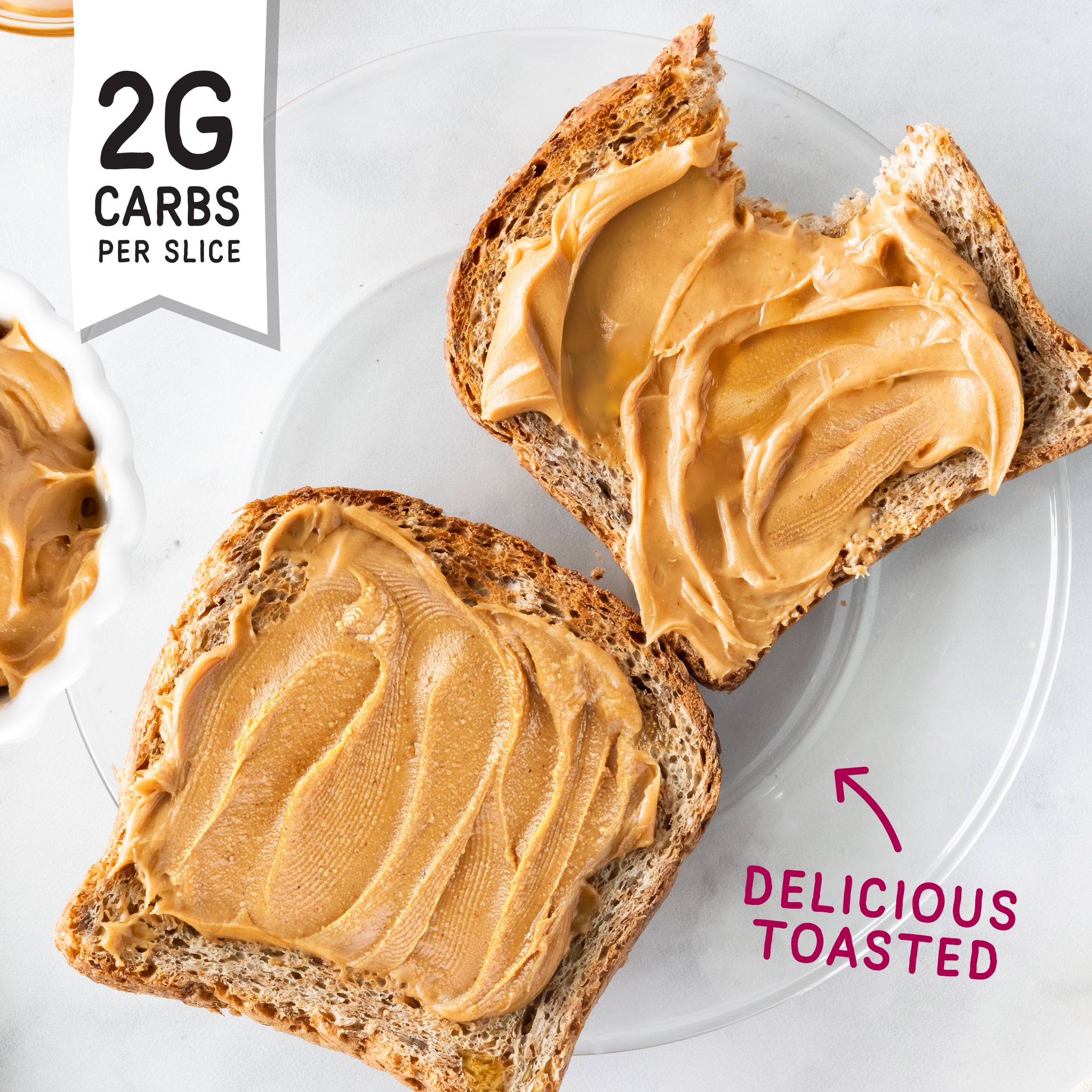
Image credit: fitbakes.co.uk
The amount of seeds in the bread is crucial. Up to 17% of flax or sunflower keto bread provides an increase in omega-3 fatty acids as well as fiber. These ingredients promote digestive health, improve cardiovascular health and help those who consume keto food to remain full and avoid cravings. Keto bread can be a healthier alternative to the traditional low-calorie breads which compromise taste.
Blood Sugar Management: The role of Low Carb Bread
Bread with the lowest carbs is more powerful than just an option for a healthy diet. It’s also an instrument to improve the health of your metabolism. It aids in stabilizing blood sugar levels by limiting the fluctuation and crashes that create the feeling of hunger, fatigue and insulin resistance. For people with diabetes, this bread is not just convenient, it’s transformative. It gives the pleasure of eating bread, while also ensuring that glucose levels are safe which is a rare combination of control and comfort.
Low carbohydrate bread is a good fit perfectly with the diet that is calorie-conscious. It’s a wonderful opportunity to enjoy a filling sandwich or toast for breakfast. It’s an excellent choice for those trying to shed weight. It can satisfy cravings and help keep calories and carbs under control.
Bread on Keto, an Efficacious Everyday Solution
The phrase bread on keto is no longer a sign of compromise. Instead, it highlights opportunity. Breakfasts could include avocado toast with seeds and keto bread, which provides healthful fats, fiber and protein in a balanced food item. Work lunches can include turkey and cheese sandwiches without exceeding carb limits. Even dinners like garlic bread can be accomplished if you are using low-carb loaves.
One of the greatest benefits of ketogenic breads is their versatility. It’s more than just a one-time treat. It’s a staple that helps make keto living feasible. By fitting into all meals of every day, it eliminates the feeling of restriction that leads many to give up their diets.
The Reasons Keto Bread Is the Future of a Healthy Diet
Moving beyond keto These breads are shaping the future of health-conscious diets generally. They are high in fiber as well as the plant-based protein and omega-rich seed are all ingredients that can benefit anyone, not only those who are cutting down on carbs. Keto bread is appealing to people who are looking for a healthier alternative to white flour processed.
In contrast to diet trends that seem temporary, keto bread represents a true evolution in baking. It’s a solution for the issue of how to enjoy bread with no carbs, but also offering lasting advantages.
We also have a conclusion.
The battle between keto diet and bread is over. Thanks to innovation, ketogenic diet bread delivers the indulgence of a slice without jeopardizing ketosis. With the lowest carb bread that is now available it is possible to enjoy sandwiches, toast, and other snacks without worrying about not achieving their low-carb objectives. Bread is now more than simply a carb substitute. It’s an essential component of modern-day nutrition and a bridge that connects meals that are comfort food to healthy living.